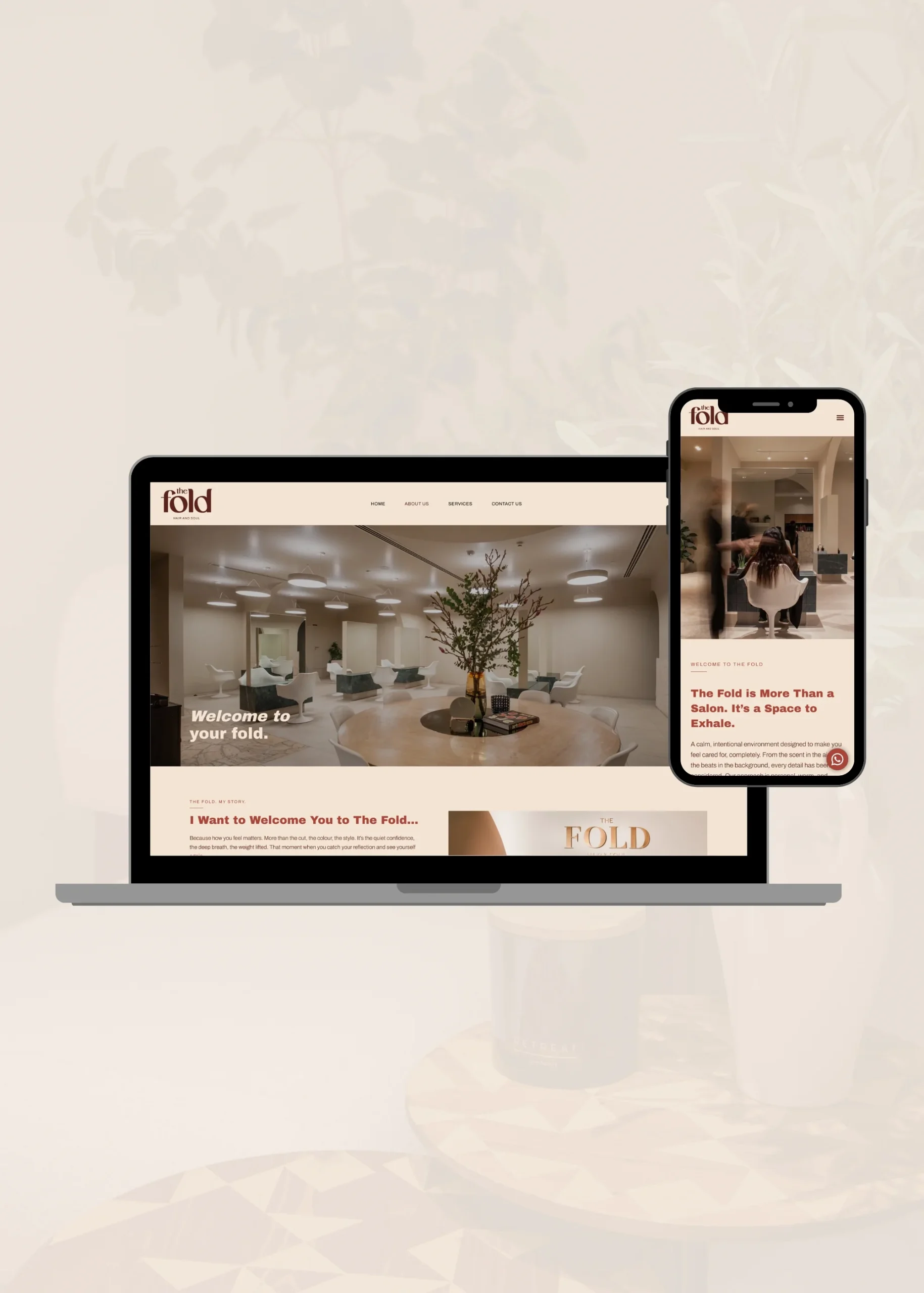


What Role Does Branding Play in Web Design and Digital Marketing Success?
In the world of digital business, the term “branding” pops up everywhere — in web design, in digital marketing, in SEO strategies — but what does it actually mean and how is it truly effective? Let’s break it down in a conversational, clear way to help you (and your website visitors) understand why branding matters so much, and how you can use it wisely for your business.
What Is Branding and Why Does It Matter?
What Do We Mean by Branding?
Branding isn’t just your logo or colour palette. It’s the full identity of your business — your values, your tone of voice, your promise to customers, and the emotional and visual cues people associate with you.
Why Does Branding Matter in Digital Marketing?
Because online, you’re competing with a sea of alternatives. A strong brand helps you:
Stand out from competitors with a unique identity.
Build trust and recognition — people buy from brands they feel they know.
Deliver a consistent message across all channels so your audience sees the same story everywhere.
How Does Branding Affect Web Design?
How Does Branding Influence Your Website’s Look and Feel?
Your website is often the first place people “meet” your brand. If you stripped away your logo and colours, would visitors still recognise it’s you?
If not, there’s a branding-design gap. A site aligned with your brand identity should reflect your style through fonts, imagery, layout, colours, and tone of copy.
How Does Branding Support User Experience and Credibility?
When your website looks polished, consistent, and on-brand, it communicates professionalism. A mismatch between brand identity and design (for example, fun branding but a dull website) creates confusion and weakens trust.
A strong brand also shapes user experience — making navigation, content, and layout clearer because branding defines who you’re speaking to and what message you’re sending.
What Happens If Your Branding and Web Design Are Disconnected?
Users may leave quickly because the site doesn’t feel authentic.
Marketing campaigns and web content may feel inconsistent.
Conversion rates can drop if visitors don’t connect emotionally with your brand.
How Does Branding Interplay With Digital Marketing?
How Does Branding Boost Your Digital Marketing Efforts?
Branding ensures that all touchpoints — social posts, ads, emails, and your website — feel unified. Consistency improves brand recall and trust.
It strengthens your message by highlighting what you stand for, not just what you sell. And it supports long-term growth by keeping your business top of mind when customers are ready to buy.
What Is Digital Brand Marketing and How Is It Related?
Digital brand marketing means using digital platforms like your website, social media, and SEO to build awareness and loyalty. It’s not just about sales — it’s about shaping how your audience perceives your brand online.
How Does Branding Support SEO and Content Marketing?
A strong brand helps SEO because:
Users are more likely to click on and trust your brand in search results.
Branded content attracts backlinks and shares.
Consistent, value-driven content improves engagement and user signals — which boosts SEO.
Branding and SEO work hand-in-hand to strengthen your online authority.
What Are the Key Components of Branding You Need to Get Right?
What Should You Define Early in Your Brand Strategy?
Core Brand Values: What you stand for and why you exist.
Brand Personality and Tone of Voice: How you speak to your audience — friendly, professional, playful, or bold.
Visual Identity: Logo, colours, fonts, and imagery that people instantly associate with your business.
Brand Experience: Every interaction — from your website to social media — should feel consistent and recognisable.
How Do You Implement Branding Across Web Design and Marketing?
Use your brand’s visuals and tone consistently across all platforms.
Make sure your website’s look, content, and navigation reflect your brand identity.
In campaigns, reflect your brand’s values and voice instead of chasing trends.
Regularly review and refresh your branding to stay relevant as your business grows.
What Specific Questions Do Businesses Ask About Branding in Web & Digital?
How Does Branding Improve Conversion Rates on Your Website?
When users trust and recognise your brand, they’re more comfortable engaging. A consistent and professional design reduces bounce rates and improves conversion because it feels credible and genuine.
What Is the Role of Branding in a Website Redesign?
If you’re redesigning your website, the first thing to check is brand alignment. The new design must reflect your identity, otherwise you’ll have a beautiful site that doesn’t “feel like you,” confusing visitors and weakening trust.
How Often Should You Revisit Your Branding?
There’s no fixed rule, but if your business or audience has evolved, or your visuals feel outdated, it’s time for a brand refresh. A dated look can hurt credibility and user perception.
Does Branding Really Matter for Small Businesses Too?
Absolutely. Even small businesses need branding to build recognition and trust. You don’t need a big budget — just consistency, clarity, and authenticity.
How Do You Measure the Impact of Branding on Digital Marketing?
You can track branding performance through:
Brand recall or recognition surveys.
Engagement metrics on branded content.
Traffic for brand-related keywords.
Conversion and retention rates of repeat customers.
Why Does Branding Matter Now More Than Ever?
Today’s audience expects brands to look professional, trustworthy, and consistent across all digital channels. With social media, mobile devices, and search engines shaping buyer journeys, branding is the glue that connects every online touchpoint.
Good branding enhances user experience, improves SEO, and drives marketing success. It’s not an afterthought — it’s the foundation of how your digital presence performs.
Quick Tips for Strong Branding in Web Design and Digital Marketing
Audit your website and digital channels for consistency.
Clearly define your brand identity — visuals, tone, and audience.
Create a brand style guide to maintain consistency.
Design or redesign your website around your brand, not just aesthetics.
Track brand metrics like engagement and loyalty alongside traffic data.
Evolve your branding as your market changes, but stay true to your core values.
FAQ – Common Branding Questions
Q: Is branding only about visuals like logos and colours?
No. Branding includes your message, tone, values, and how customers feel about your business.
Q: Can I skip branding and just focus on marketing?
Without branding, your marketing lacks direction and identity. Branding gives your campaigns consistency and emotional impact.
Q: Does a strong brand guarantee SEO success?
Not entirely, but it helps. Recognised brands get more clicks, backlinks, and engagement — all key SEO signals.
Q: How should branding influence a website redesign?
Your brand identity should guide your design, copy, and layout decisions. A redesign without branding strategy risks confusing visitors.
Q: How do I know if my branding needs a refresh?
If your audience has changed, your visuals look dated, or engagement has dropped — it’s time to refresh your branding.
Final Thoughts
Effective branding ties together web design and digital marketing into a single, memorable identity. It shapes how users perceive your business, how they interact with your website, and how well your marketing performs.
For long-term success, think of branding as the strategy — and web design and marketing as the tools that bring that strategy to life.