Website Design Trends for 2026: What Works and Why
Website design is evolving faster than ever. What looked modern just two years ago can already feel outdated. In 2026, design is no longer just about aesthetics—it’s about experience, performance, accessibility, and trust.
If your website doesn’t adapt, users will leave. And Google will notice.
In this guide, we’ll break down the top website design trends for 2026, explain why they work, and show how businesses can apply them effectively.
Why Website Design Trends Matter More in 2026
Your website is often your first impression. Users decide within 3–5 seconds whether to stay or leave.
In 2026:
Users expect speed and clarity
Google prioritises user experience (UX)
Mobile-first is no longer optional
Accessibility impacts rankings and conversions
A modern design helps you:
Build credibility
Improve engagement
Increase conversions
Rank better on search engines
Minimalism with Purpose (Not Empty Design)
Minimal design is still trending—but in 2026, it’s strategic minimalism.
What This Means
Fewer distractions
Clear messaging
Focused calls-to-action
Why It Works
Users want information fast. Clean layouts guide the eye and reduce decision fatigue.
Tip:
Use white space intentionally. Every section should answer one clear question.
AI-Powered Personalised Experiences
Artificial Intelligence is shaping how users interact with websites.
How AI Is Used in Web Design
Dynamic content based on user behaviour
Smart product or service recommendations
AI chatbots with real-time support
Why Users Love It
Personalised websites feel relevant and helpful—not generic.
Example:
A visitor returning to your site sees services tailored to their previous visits.
Ultra-Fast Loading and Performance-First Design
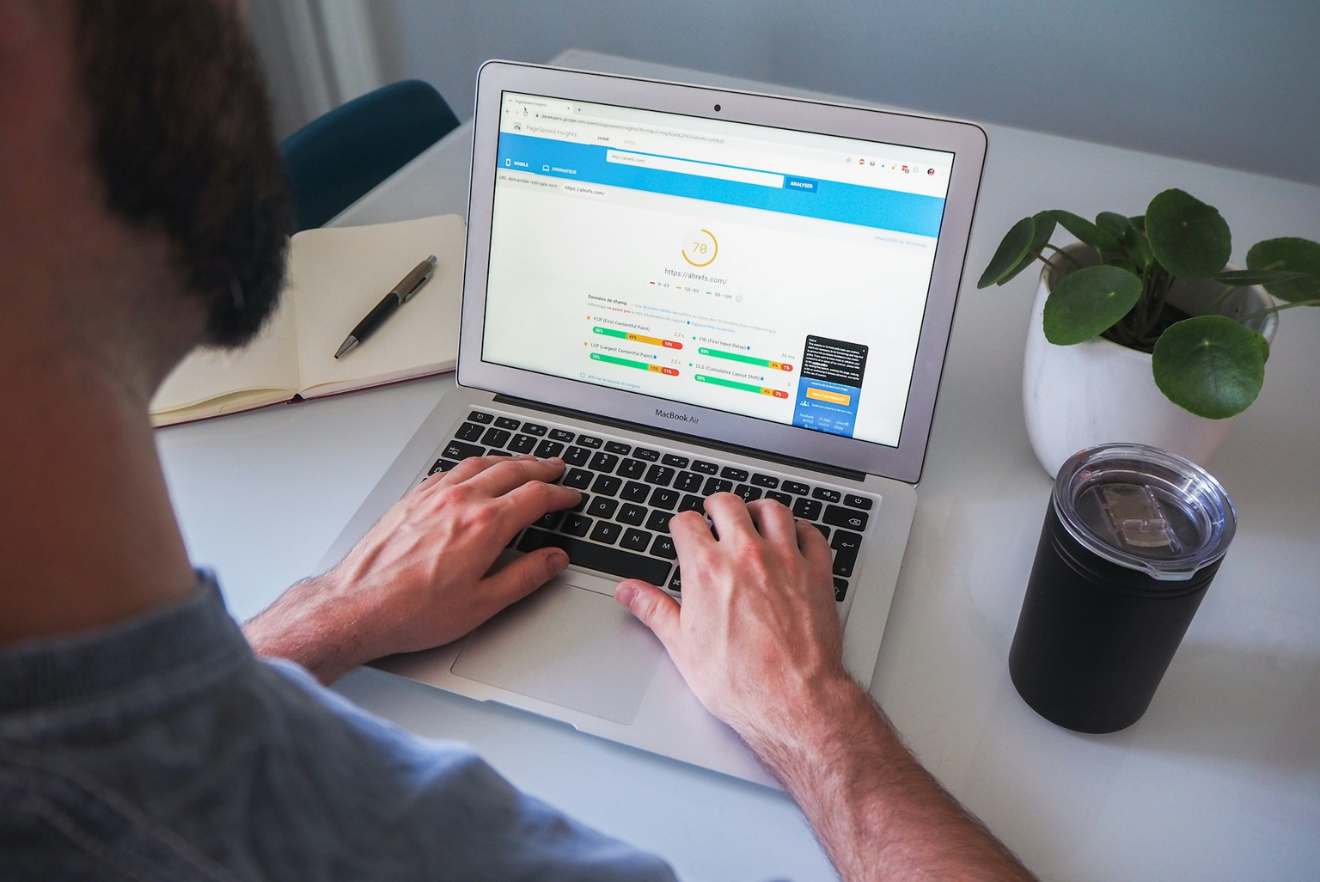
Speed is a ranking factor—and a deal breaker.
2026 Performance Expectations
Pages should load under 2 seconds
Heavy animations without optimisation won’t survive
Core Web Vitals remain critical
What Designers Are Doing
Lightweight layouts
Optimised images and fonts
Efficient code frameworks
Quick Tip:
Design should never slow down performance. Beauty must load fast.
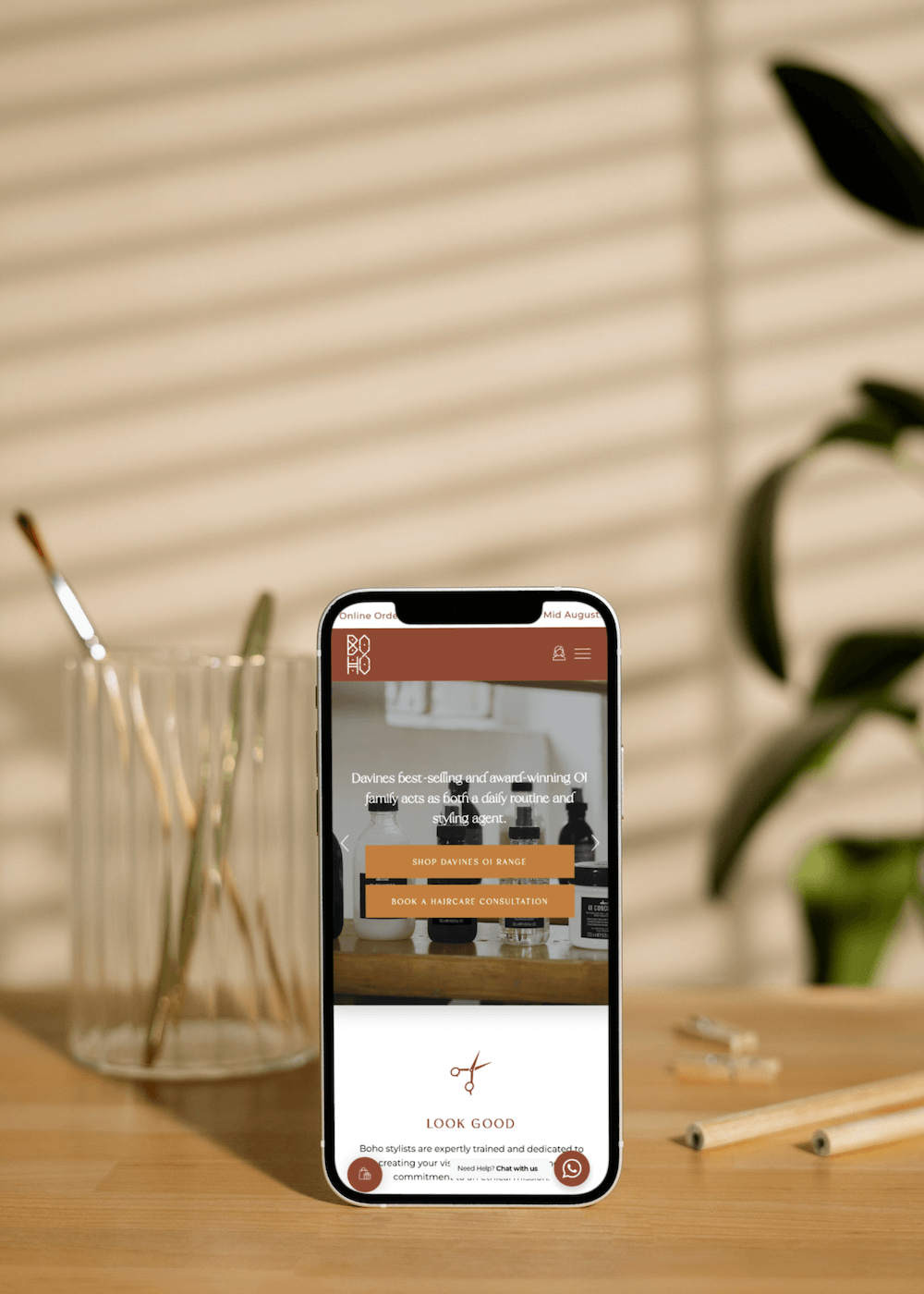
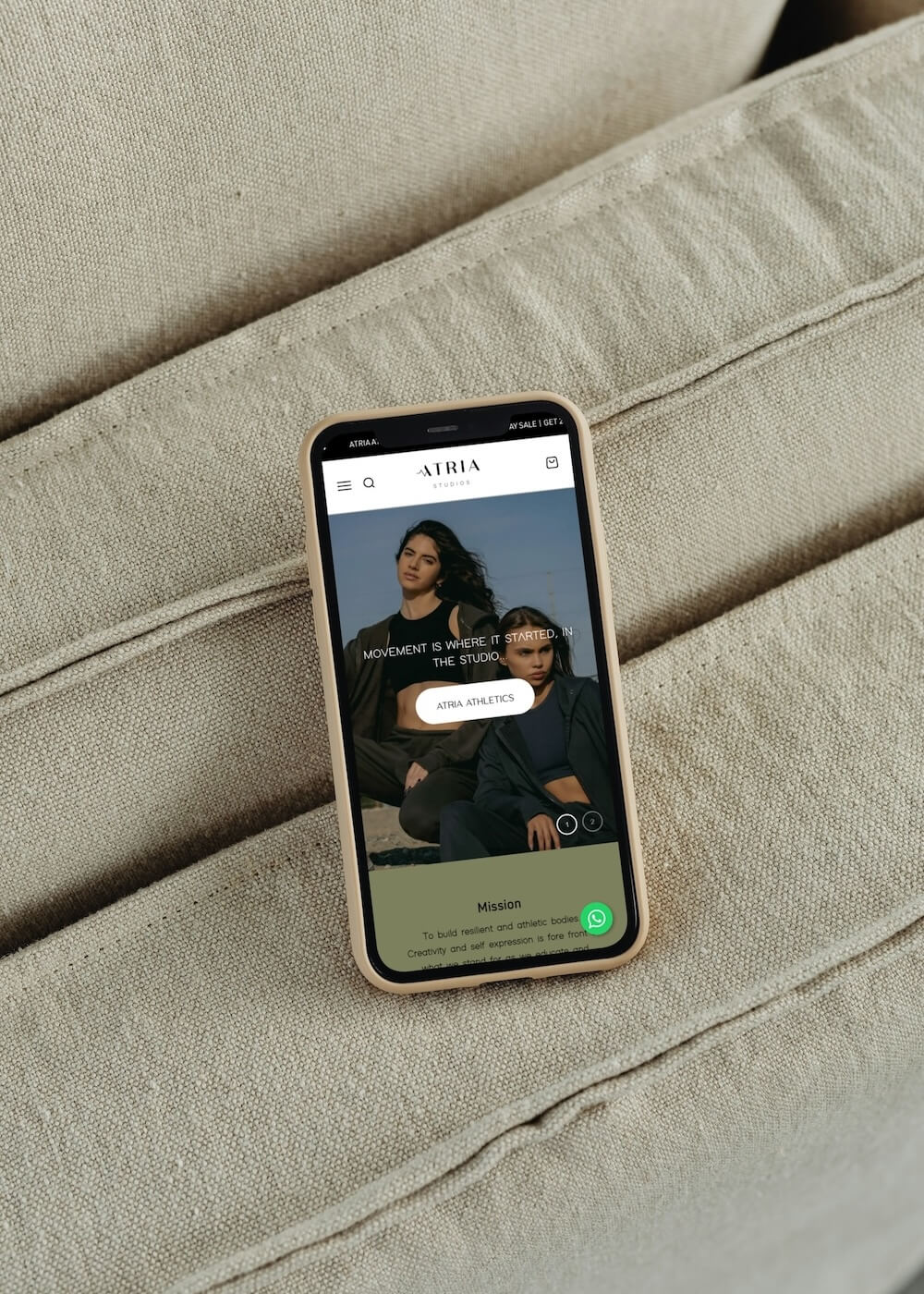
Mobile-First and Thumb-Friendly Design
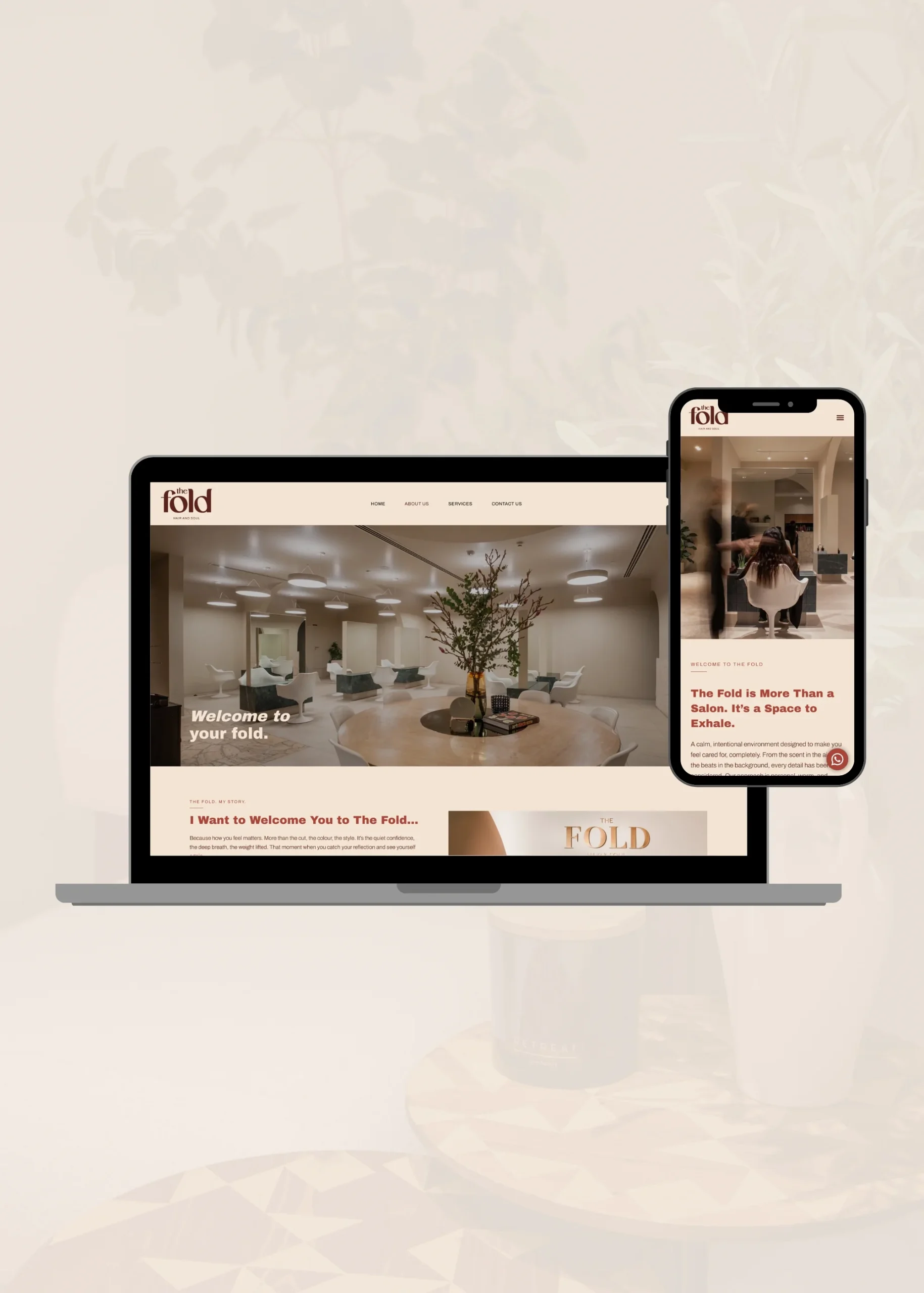
Mobile traffic dominates. In 2026, desktop-first thinking is outdated.
Mobile Design Priorities
Large, tap-friendly buttons
Vertical scrolling layouts
Easy navigation with one hand
Why This Matters
If your site feels awkward on mobile, users won’t try harder.
Best Practice:
Design for mobile first—then scale up for desktop.
Accessibility as a Standard, Not an Add-On
Inclusive design is no longer optional.
Accessibility Features Users Expect
High colour contrast
Readable fonts
Keyboard navigation
Screen-reader-friendly layouts
SEO Benefit
Accessible websites improve engagement and reduce bounce rates—signals Google loves.
Tip:
Accessibility = better UX for everyone, not just users with disabilities.
Interactive Micro-Animations (Used Smartly)
Animations are still trending—but subtlety wins.
What Works in 2026
Hover effects
Button feedback
Smooth transitions
What Doesn’t
Overloaded animations
Slow-loading effects
Distracting visuals
Rule:
Animations should guide users, not entertain them endlessly.
Dark Mode and Adaptive Colour Themes
Dark mode is now expected, not optional.
Why Dark Mode Is Popular
Reduces eye strain
Looks modern
Saves battery on mobile devices
Smart Trend
Websites now offer adaptive themes that adjust based on device or user preference.
Storytelling Through Design
People connect with stories, not layouts.
Design Storytelling Elements
Scroll-based narratives
Visual timelines
Purpose-driven sections
Why It Converts
Users don’t want features—they want outcomes.
Example:
Instead of “Our Services,” show “How We Help You Grow.”
Trust-Focused Design Elements
In 2026, trust is currency.
What Builds Trust Instantly
Real testimonials
Case studies
Security badges
Clear contact details
Design Insight
Trust signals should be visible without overwhelming the page.
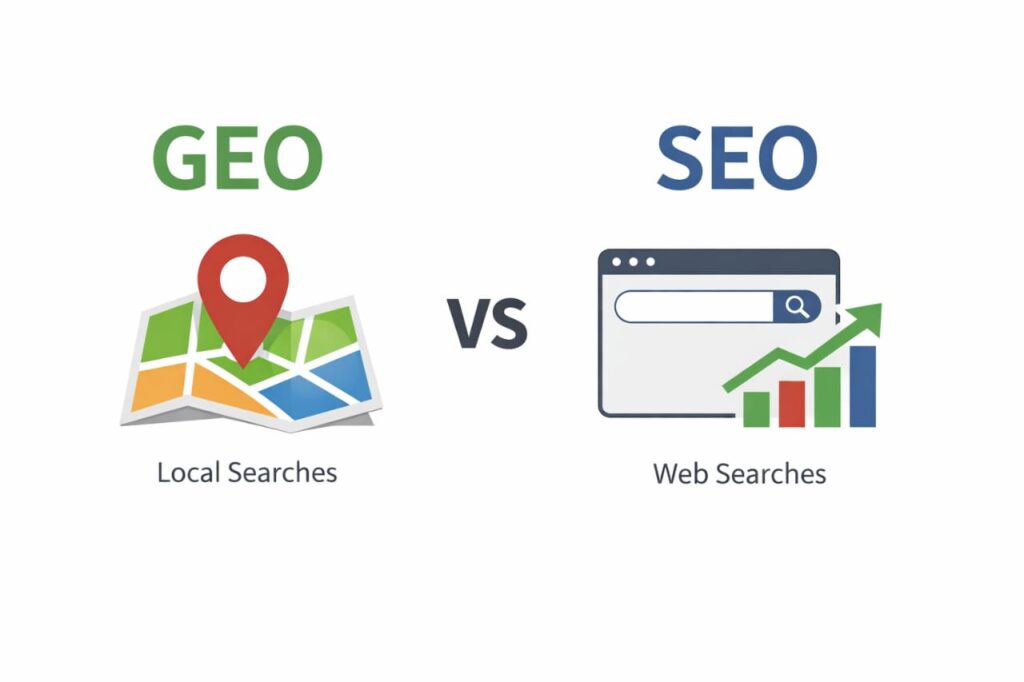
SEO-Driven Design (Design + Search Working Together)
Design and SEO can’t work separately anymore.
SEO-Friendly Design Includes
Clean URL structures
Optimised headings (H1–H3)
Fast load times
Schema-ready layouts
Why This Matters
A beautiful site that doesn’t rank won’t bring results.
Common Questions People Ask About Website Design Trends for 2026
Is minimal website design still effective in 2026?
Yes—but only when combined with strong messaging and UX. Empty minimalism doesn’t convert.
Are AI chatbots worth using on websites?
Absolutely. AI chatbots improve engagement, support, and lead generation when implemented correctly.
Does website design affect SEO rankings?
Yes. Speed, mobile usability, accessibility, and structure directly impact rankings.
Should small businesses follow these design trends?
Yes. Scalable design improvements help small businesses compete with larger brands.
How to Apply These Trends Without Breaking Your Website
You don’t need to redesign everything at once.
Start with:
Performance optimisation
Mobile usability
Clear messaging
Trust elements
Then upgrade visuals and interactivity gradually.
Why Choose HSC Digital for Modern Website Design
Keeping up with trends is easy to talk about—but hard to execute.
HSC Digital specialises in:
SEO-focused website design
Performance-driven UX
Mobile-first development
Conversion-optimised layouts
Whether you need a redesign or a future-ready website, their team ensures your site aligns with 2026 standards and Google’s Helpful Content guidelines.
Ready to upgrade your website? Contact HSC Digital today and turn trends into results.