Top Digital Marketing Strategies for Small Businesses in 2026
Digital marketing continues to evolve rapidly, and small businesses must keep up to stay competitive. Whether you run a local boutique, a startup, or a service-based business, understanding the best digital marketing strategies for small businesses in 2026 is crucial for growth and visibility.
In this blog, we’ll dive into the most effective strategies, trending tools, and expert tips to help your small business thrive online this year.
Why Digital Marketing is Essential for Small Businesses in 2026
Small businesses often operate on tight budgets, making every marketing dollar count. Digital marketing offers affordable, scalable, and highly targeted ways to reach your ideal customers. Plus, with the rise of smart devices, voice search, and AI-driven personalization, the digital space has never been more important.
Top Digital Marketing Strategies for Small Businesses in 2026
1. Optimize for Voice and Visual Search
With smart speakers and visual search tools gaining popularity, your small business should adapt content accordingly.
Voice Search Optimization: Use conversational keywords and FAQs on your website. For example, instead of just “best coffee shop,” include phrases like “Where can I find the best coffee shop near me?”
Visual Search: Platforms like Google Lens allow users to search by image. Make sure your images are high-quality, well-tagged with alt text, and relevant.
2. Leverage Local SEO
If your business serves a specific geographic area, local SEO is a game-changer.
Google Business Profile: Claim and optimize your profile. Add updated contact details, photos, and customer reviews.
Local Keywords: Include your city or neighborhood in your content and meta descriptions.
Citations: Get listed on local directories like Yelp, Yellow Pages, and niche-specific sites.
3. Invest in Video Marketing
Video content engages users better than text alone and can boost conversions.
Create short, engaging videos about your products or services.
Use live streams on social media for product demos or Q&A sessions.
Post videos on YouTube, Instagram Reels, TikTok, and your website.
4. Harness the Power of Social Media Advertising
Organic reach on social media is limited, so paid ads help amplify your message.
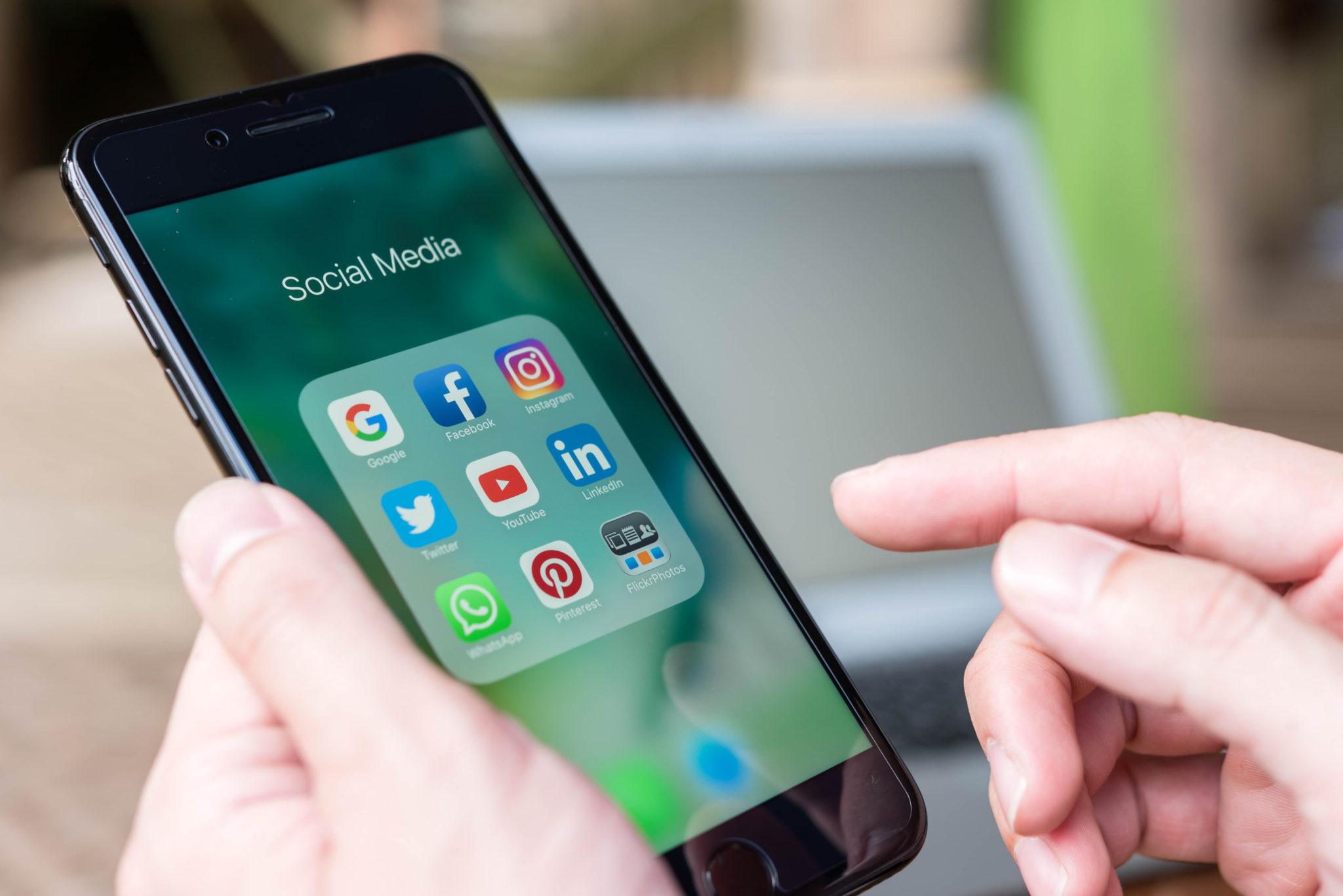
Use Facebook and Instagram ads targeted by demographics, interests, and behaviors.
Try LinkedIn ads if you’re B2B.
Experiment with TikTok ads to reach younger audiences.
5. Content Marketing with a Purpose
Content marketing builds trust and establishes you as an industry expert.
Write blog posts answering common questions your customers ask.
Share customer success stories and testimonials.
Create downloadable resources like checklists or guides.
6. Email Marketing Still Works — But Smarter
Email marketing remains a powerful tool when done right.
Segment your email list by customer behavior or preferences.
Send personalized offers and reminders.
Use automation for welcome sequences or abandoned cart emails.
7. Utilize AI Tools for Personalization and Efficiency
AI-driven marketing tools help small businesses compete with bigger brands.
Chatbots for instant customer service.
Predictive analytics to tailor offers.
Automated content generation and social media scheduling.
Trending Subtopics and Related Questions
How Can Small Businesses Compete with Big Brands in Digital Marketing?
Focus on local SEO, niche targeting, and personalized customer experiences. Small businesses can be more agile and build stronger community relationships than large corporations.
What Are the Most Cost-Effective Digital Marketing Channels?
Social media advertising, email marketing, and content marketing are budget-friendly channels with high ROI if used strategically.
How Important is Mobile Optimization?
Extremely important. Over 60% of web traffic comes from mobile devices. Ensure your website loads fast, is easy to navigate, and looks great on smartphones.
What Role Does Data Privacy Play in 2026 Marketing?
Consumers are more aware of data privacy. Transparent data policies and compliant marketing practices (e.g., GDPR) build trust and prevent legal issues.
Bonus Tips for Small Businesses Starting Digital Marketing
Set clear goals: Define what success looks like (e.g., more leads, sales, or brand awareness).
Test and measure: Use tools like Google Analytics and Facebook Insights.
Focus on customer experience: Fast responses and helpful content retain customers.
Stay updated: Digital marketing trends change quickly; continuous learning is key.
FAQ: Digital Marketing Strategies for Small Businesses
Q1: How much should small businesses spend on digital marketing?
There’s no one-size-fits-all answer, but many experts recommend allocating 7-8% of revenue to marketing, with a large portion for digital.
Q2: Can I do digital marketing myself or should I hire experts?
DIY is possible, especially with free tools, but working with experts saves time and often delivers better results. Agencies like HSC Digital specialize in helping small businesses grow online efficiently.
Q3: How long does it take to see results from digital marketing?
Typically, results can be seen within 3 to 6 months, depending on the strategy and consistency.
Q4: Is social media necessary for all small businesses?
While not mandatory, social media helps build brand awareness, engage customers, and drive traffic. Choose platforms where your audience is active.
Final Thoughts
In 2026, successful small businesses will be those that embrace a mix of traditional and emerging digital marketing strategies. From local SEO to AI-driven personalization, the right approach will help you attract, engage, and retain customers in a competitive digital world.
If you want to maximize your digital presence and get expert guidance tailored to your business goals, consider contacting HSC Digital. Their team specializes in crafting winning digital marketing strategies for small businesses, delivering measurable results with smart, budget-friendly campaigns.