

Local SEO: How to Attract More Customers in Your Area
If you run a business that serves a local community, being visible online to nearby customers is essential. Local SEO (Search Engine Optimization) helps make that happen. It ensures your business appears when people in your area search for products or services you offer.
In today’s digital-first world, most customers search online before visiting a store, booking a service, or making a call. That means if we’re not showing up in local search results, we’re likely missing out on a lot of potential business.
In this guide, we’ll break down exactly how local SEO works and share actionable tips so you can attract more customers in your area.
What is Local SEO and Why It Matters
Local SEO is all about optimizing your online presence so your business shows up when people search for what you offer in your area.
Think about it — if someone types “best bakery near me” or “plumber in [your city],” Google aims to show them the most relevant and trusted local options. We want your business to be one of those top results.
The benefits of local SEO include:
More local customers finding you online.
Increased calls, store visits, and enquiries.
Stronger brand recognition in your community.
An edge over local competitors who aren’t optimizing their presence.
Step 1: Claim and Optimize Your Google Business Profile
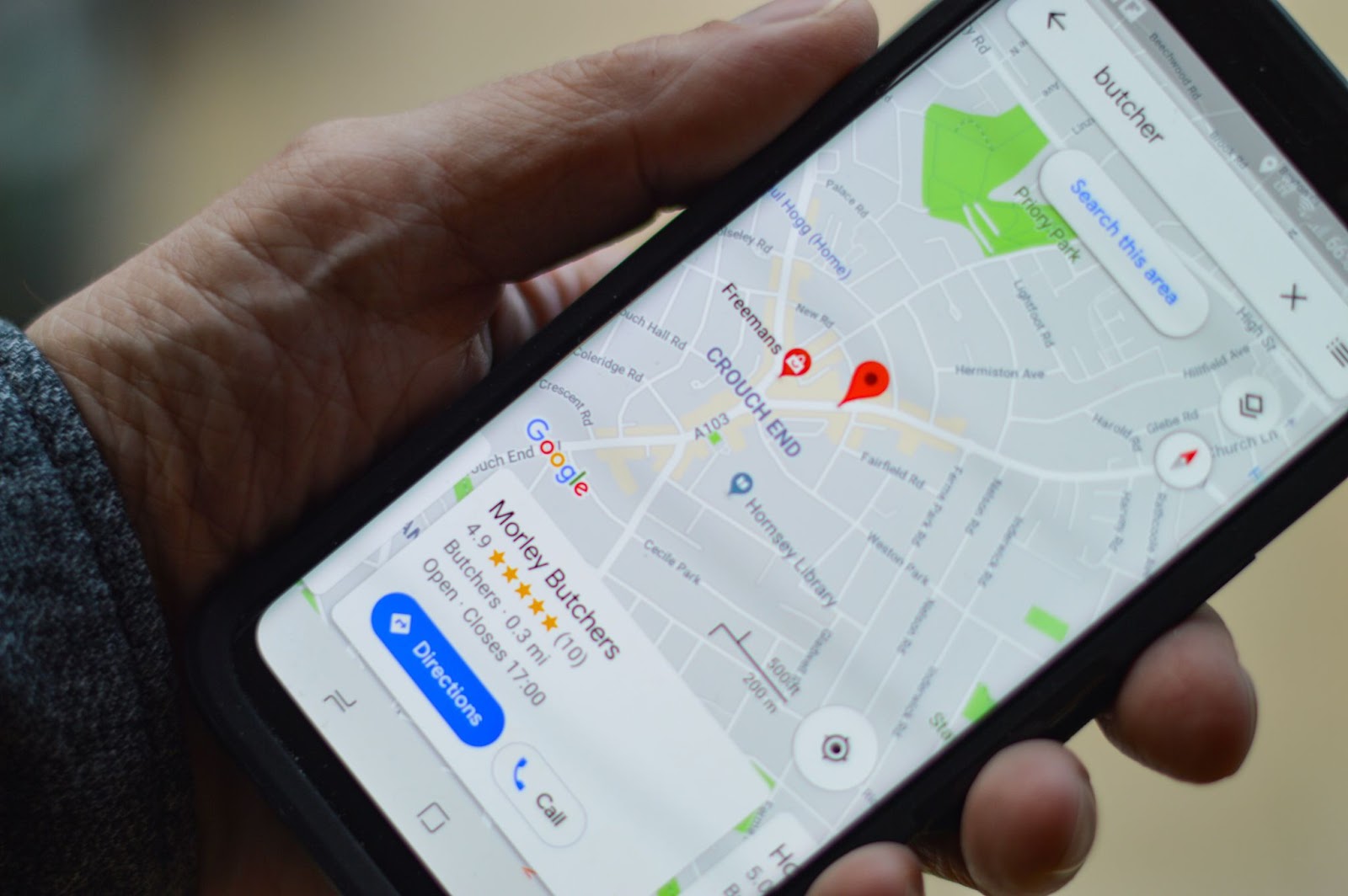
Your Google Business Profile (GBP) is the foundation of local SEO. It’s the listing that appears in Google Search and Maps when people look for local businesses.
Here’s how we optimize it for maximum visibility:
Claim your listing and make sure all details are accurate.
Add high-quality photos of your business, products, or services.
Write a clear business description with relevant keywords naturally included.
Update your business hours, especially during holidays.
Encourage and respond to reviews — positive reviews boost credibility and ranking.
A fully optimized GBP increases your chances of appearing in the “Local Pack” — those top three map results that get the most clicks.
Step 2: Use Local Keywords in Your Content
Keywords are the bridge between what people search for and how they find your business. For local SEO, we focus on location-based keywords like:
“Hair salon in [city]”
“Affordable dentist near [area]”
“[Service] in [city] open now”
We integrate these naturally into:
Website content (homepage, service pages, about page)
Blog posts and guides
Social media captions
Google Business Profile updates
The key is to use them in a way that feels natural, not forced.
Step 3: Create Location-Specific Content
One of the most effective ways to connect with your local audience is to create content that speaks directly to them.
We can do this by:
Writing blog posts about local events, news, or trends.
Sharing customer stories from your community.
Highlighting partnerships with local suppliers or charities.
Creating guides like “Best Things to Do in [City]” or “How to Prepare for Winter in [Area]” (relevant to your industry).
When we create content for our specific area, Google recognizes us as a trusted local source — and customers see us as part of the community.
Step 4: Build Local Backlinks
Backlinks (links from other websites to yours) tell search engines your site is trustworthy. For local SEO, we focus on getting links from local sources, such as:
Local news sites or blogs.
Community event pages.
Local business directories.
Partnerships or sponsorships with community groups.
The more relevant and high-quality these links are, the stronger our local search presence becomes.
Step 5: Keep NAP Details Consistent Everywhere
NAP stands for Name, Address, and Phone Number. Search engines want to see that your business details are consistent across the web — including your website, social media, directories, and review sites.
If there are inconsistencies (like different phone numbers or outdated addresses), it can hurt your ranking. We regularly check and update our details to avoid confusion for both customers and search engines.
Step 6: Encourage and Manage Reviews
Online reviews aren’t just for reputation — they’re a ranking factor for local SEO. Businesses with more positive reviews tend to appear higher in local results.
Here’s how we approach it:
Ask happy customers for reviews — after a purchase or service.
Respond to every review, whether positive or negative, in a polite and professional manner.
Address negative feedback quickly and constructively.
Reviews build trust with potential customers and show that we value feedback.
Step 7: Optimize for Mobile and Voice Search
Most local searches happen on mobile devices — and voice search is growing fast. That means our website needs to be:
Mobile-friendly with fast loading times.
Easy to navigate on small screens.
Optimized for conversational queries like “Where’s the nearest coffee shop?”
We also include FAQs on our site to answer common voice search questions in a natural, easy-to-read format.
Step 8: Track and Improve Your Results
Local SEO isn’t a one-time task — it’s an ongoing process. We use tools like Google Analytics and Google Search Console to track:
Which local keywords bring the most traffic.
How many people find us via Google Business Profile.
Which pages convert visitors into customers.
By monitoring results, we can make smart adjustments and keep improving over time.
Final Thoughts
Local SEO is one of the most powerful ways to attract more customers in your area. It’s about more than just rankings — it’s about building a strong local presence, connecting with your community, and making it easy for people nearby to choose us over competitors.
We’ve seen firsthand how the right local SEO strategy can turn online searches into real customers — and we’d love to help you do the same.
Ready to Get Found by More Local Customers?
Let’s make your business the first choice for people in your area. Contact us today to start your local SEO journey and see real results.
FAQs About Local SEO
1. How long does it take to see results from local SEO?
It usually takes 3–6 months to notice significant changes, depending on competition and current visibility.
2. Do I need a website for local SEO to work?
While you can still appear in local searches with just a Google Business Profile, having a website greatly improves results.
3. How often should I update my Google Business Profile?
We recommend updating it whenever there are changes — plus posting regularly to keep it active.
4. Can local SEO work for service-based businesses without a physical location?
Yes. You can set a service area in your profile so you appear in searches for your target region.
5. What’s the difference between SEO and local SEO?
SEO focuses on ranking in search results overall, while local SEO focuses on ranking in your specific geographic area.