
How Can I Find a Reliable Web Development & E-commerce Specialist in Dubai?
Finding a strong partner for your web development and e-commerce needs in Dubai can feel overwhelming—but with the right approach, you’ll make a confident choice. In this guide we’ll walk you through how to identify a reliable specialist, what questions to ask, and what pitfalls to avoid.
What does a “reliable web development & e-commerce specialist in Dubai” actually mean?
A reliable specialist means someone or a team who:
Understands both web development (front-end + back-end) and e-commerce (shopping carts, payment gateways, checkout flow).
Has proven experience in Dubai / UAE or at least the Middle East market (so they know regional payment methods, shipping, local-law/regulation issues).
Uses best practices in code quality, SEO, performance, and gives you clear support/maintenance after launch.
Communicates clearly, sets realistic expectations, delivers on time and within budget.
For example, some Dubai-based agencies highlight their e-commerce expertise, custom solutions, and SEO-friendly approach.
Why is the Dubai market unique when choosing a specialist?
Dubai (and the UAE region) presents specific opportunities and challenges:
High online-shopping adoption: e-commerce is booming here, meaning you’ll face strong competition and need to stand out.
Local regulations, tax/shipping nuances, payment gateways catering to Middle East customers.
Many agencies claim to do “web + e-commerce” but may lack depth in one or the other. So you should ensure they truly cover both.
Language and cultural expectations: UX design should consider local preferences, device use (mobile heavy), payment habits.
What Should I Look For When Evaluating a Specialist?
Does their portfolio and case-history match your project?
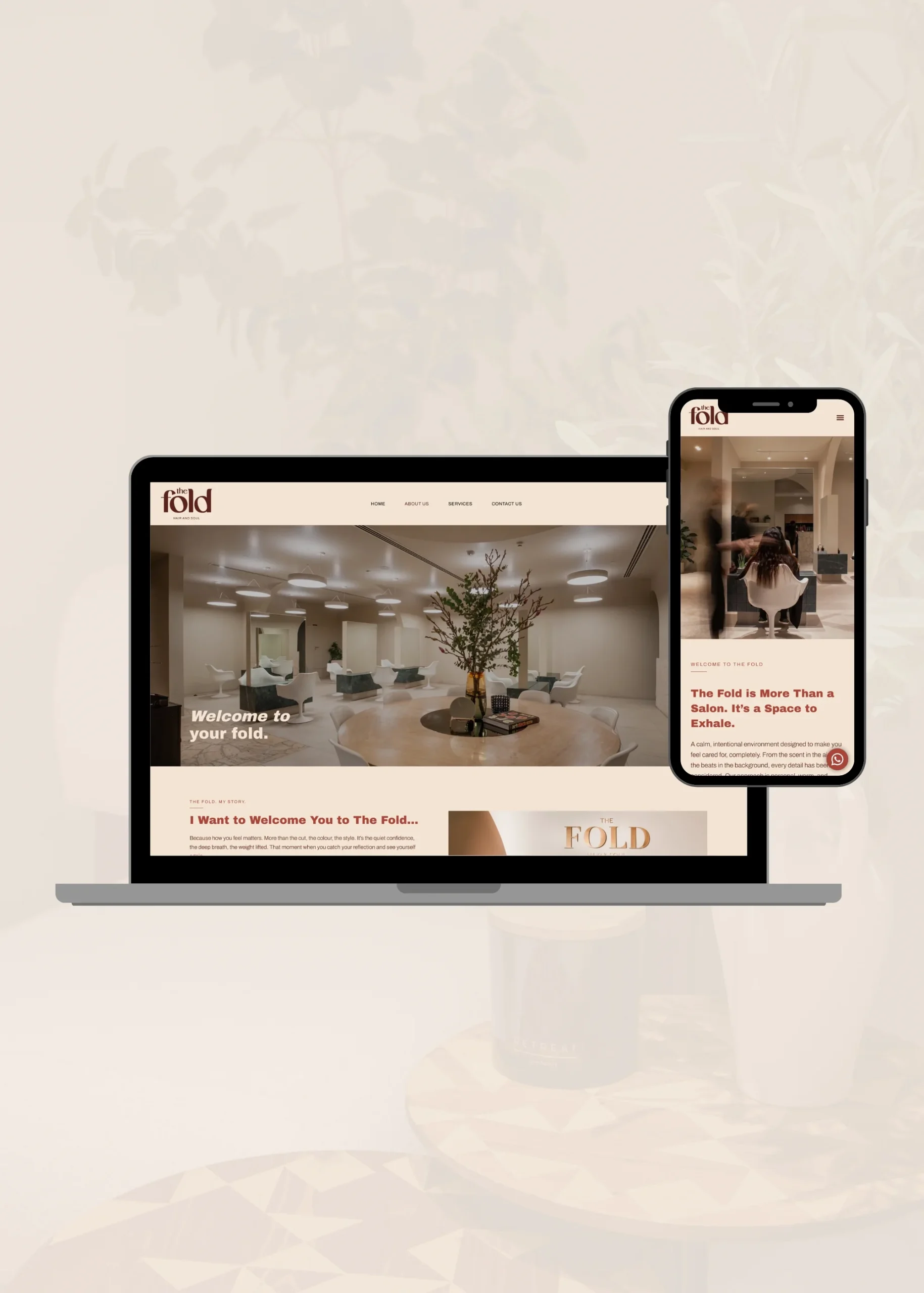
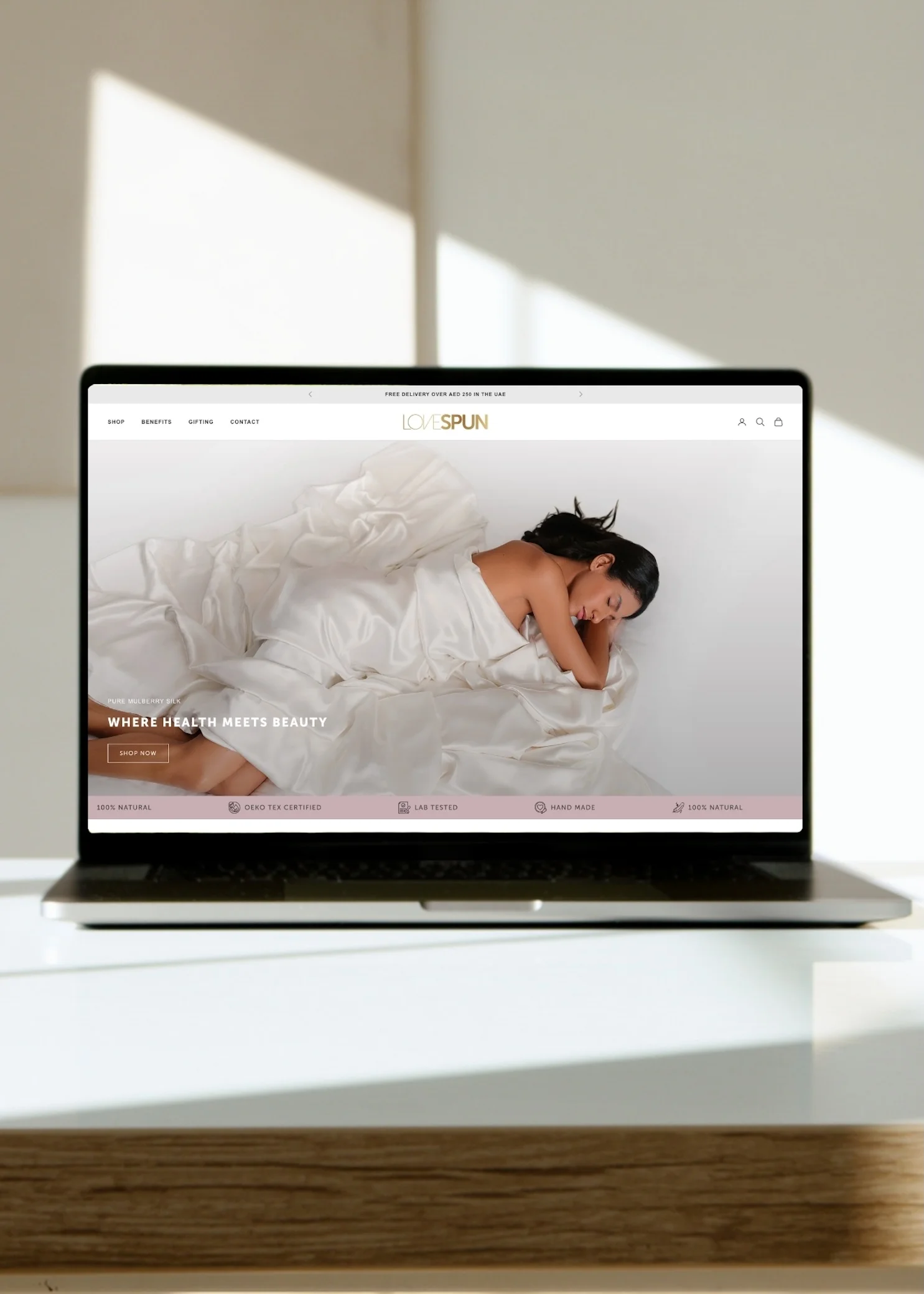
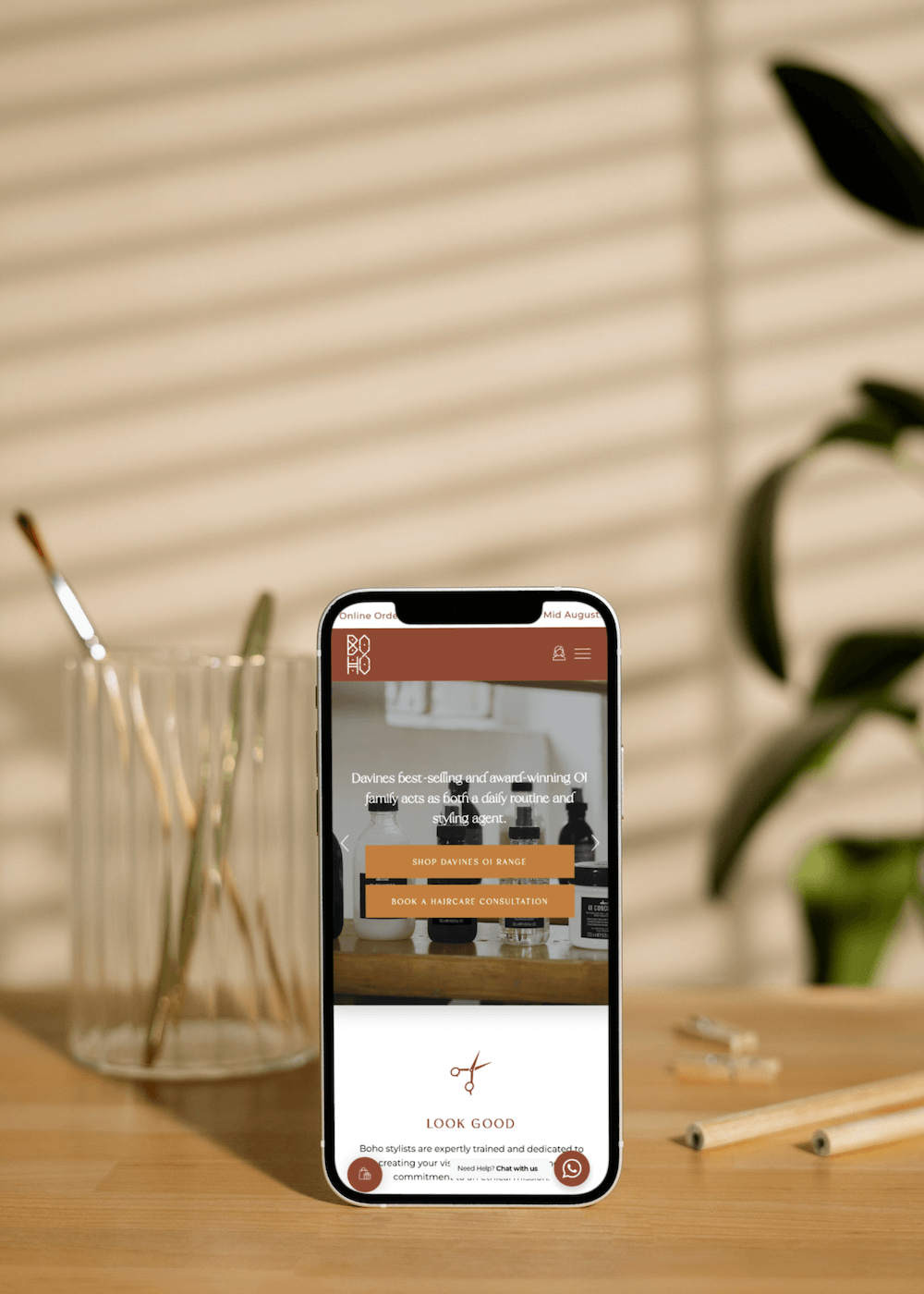
Ask for past work: specifically e-commerce websites they’ve built (in Dubai or UAE ideally).
Check whether those sites: load fast, work well on mobile, have clear checkout flows, integrate local payment/shipping.
See if the specialist has worked in your industry or with similar business size. If they mostly do small brochure sites but your project is large e-commerce, that’s a risk.
For example, one list of top web development firms in Dubai highlights companies that emphasise e-commerce development as part of their expertise.
What technology stack & platform do they use?
Which platform(s) do they specialise in: Shopify, Magento (now Adobe Commerce), WooCommerce, custom builds?
Are they comfortable with integrations (payment gateways, shipping APIs, CRM, ERP) and mobile responsiveness?
Do they build with SEO and speed in mind (page-load time, clean code, schema markup)? As one agency notes: “our e-commerce web development in Dubai … we optimise website performance, responsive design, fast checkout” etc.
Ask: “When you built such-and-such store, what was the average load time? What devices are 80% of users on?”
How do they handle communication, process & support?
You want an agency (or specialist) who uses an agile approach: clear milestones, regular check-ins, client feedback loops. One agency emphasises “continuous client engagement” in their Dubai e-commerce development process.
What maintenance/support do they provide after launch (updates, security patches, bug-fixes)?
Are they locally reachable (Dubai/UAE time-zone) so you can meet or get support when needed?
What about SEO, performance & e-commerce conversion focus?
Since your goal is not just a website, but an online store that sells, the specialist must understand:
SEO best practices (site structure, mobile first, metadata, schema).
User experience (UX): easy navigation, clear calls to action, checkout smoothness.
Analytics & conversions: tracking visitor behaviour, measuring KPIs (bounce rate, cart abandonment), and iterating.
For instance one source says: “Optimised and responsive store designs … speed-optimised web stores for your business that enhances the buying experience.”
So ask them: “How do you improve cart abandonment rate? What’s your approach to page-speed for e-commerce? How do you track and improve user behaviour?”
How Do I Shortlist & Choose the Right Specialist in Dubai?
Step 1: Define your project clearly
What exactly you need: e.g., “a Shopify store for 1,000 SKUs targeting UAE & GCC,” or “custom Magento site with B2B wholesale + retail.”
Budget, timeline, key deliverables, payment gateway/shipping requirements, mobile vs desktop priorities.
Your brand standards, existing systems, and growth expectations.
Step 2: Ask for detailed proposals from 3–5 specialists
In the proposal request include:
A breakdown of platform choice, modules/integrations, timeline, deliverables.
Case-studies of similar projects (especially Dubai/UAE region).
Pricing structure (fixed vs hourly vs milestone).
Post-launch support terms.
Compare proposals not just on cost, but on clarity, scope, deliverables, and value (e.g., built-in SEO, mobile optimisation).
One agency warns: budget is important, but also check “excellent understanding” of your needs and location-relevance. Dubai Digital Marketing
Step 3: Evaluate cultural fit & local presence
Visit the agency (if possible) in Dubai or have a video call to assess responsiveness and understanding of your market.
Do they have experience with local UAE/GCC e-commerce trends?
Are they transparent in communication? Do they explain technical terms in plain language?
A Dubai-based full-stack development agency article highlights that local presence helps in fast support and efficient coordination. Cretesol Tech
Step 4: Start with a small milestone or proof-of-concept
Instead of handing over everything at once, you can ask for an initial smaller deliverable—e.g., a homepage + a key product page + checkout flow. This gives you insight into their work quality, timeline, and communication before committing fully.
Once you’re satisfied, you can go full scale.
What Common Questions Do Businesses Ask When Hiring a Specialist?
How much will it cost to build an e-commerce site in Dubai?
Costs vary widely depending on scope, platform, integrations, custom features, number of SKUs, and post-launch services. If you’re aiming for a simple store with off-the-shelf template and few SKUs, cost is lower. If you need custom integrations (ERP, CRM, marketplace, multi-country shipping), cost goes up significantly.
Look at proposals and ensure everything is clearly itemised (platform licence, design, development, integrations, QA, post-launch support).
How long does it take to launch?
A simple e-commerce store (template + standard integrations + few SKUs) might take 4-8 weeks. A more complex custom build could take 3-6 months or more. Ensure your specialist gives a realistic timeline with milestones.
Also check: how will they manage delays, feedback loops, data entry (SKUs, images), and testing?
What happens after launch—who maintains the site?
Launching is only the beginning. Your site needs updates (platform patches, security, performance optimisation), ongoing SEO and possibly feature enhancements.
Ask: Who will handle maintenance and what are the costs? Do they guarantee uptime? Are there service-level agreements (SLAs) for fixes?
A reliable specialist will clearly define post-launch support.
How will you measure success of the e-commerce store?
Key performance indicators (KPIs) may include:
Traffic from search engines and paid channels
Conversion rate (visitors → buyers)
Average order value
Cart abandonment rate
Mobile vs desktop performance
Return rate / repeat purchase rate
Make sure your specialist provides analytics setup, dashboards, and regular reporting.
Frequently Asked Questions (FAQ)
Q: Should I choose a local Dubai agency or can I outsource overseas?
A: You can outsource overseas, but a local Dubai agency has advantages: local market knowledge, same time-zone, cultural understanding, local payment/shipping experience, easier meetings. If you outsource, ensure they clearly understand UAE/GCC specifics.
Q: What platform is best for e-commerce in Dubai? Shopify vs Magento vs WooCommerce?
A: It depends on your scale and requirements. Shopify is fast to launch, good for smaller/midsize stores. Magento/Adobe Commerce is more powerful for large scale, complex integrations. WooCommerce (on WordPress) is cost-effective for smaller stores. Ensure your specialist explains why they recommend a platform.
Q: How much should I budget for ongoing SEO and marketing after launch?
A: Building the site is one part – driving traffic and sales is another. Ongoing SEO, content, paid ads, social media will all cost extra. Make sure you budget for at least 3-6 months of marketing after launch to give it a strong start.
Q: What if the specialist delivers, but I don’t like the interface / user experience?
A: Request early UX wireframes/mockups and allow rounds of feedback. Ensure the contract includes revision rounds and defines who owns the design assets. Mid-project change requests will usually cost extra – define change-control process early.
Final Thoughts
Choosing the right web development & e-commerce specialist in Dubai doesn’t have to be a gamble. By being clear on your project, doing proper due-diligence, comparing proposals, starting with a test milestone and focusing on local-market relevance, you’ll greatly increase your chances of success.